
Lunches from home can be delicious, healthy, and save money for your family, but only if your child eats them. While food trading and the occasional splurge on dessert are inevitable, packing a lunch provides many opportunities to involve and educate your child, increasing the odds that the lunch will be eaten.
Pick packing materials
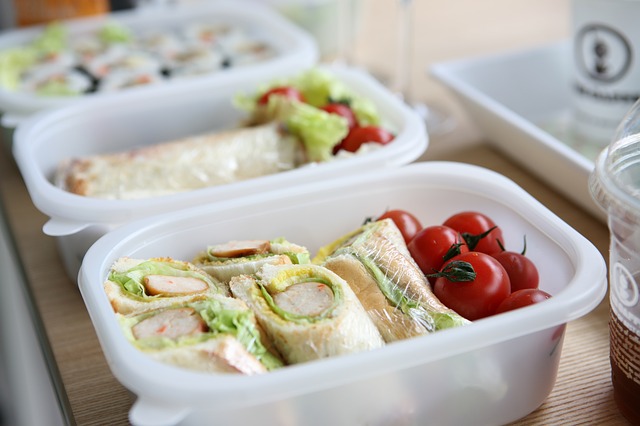
Too many lunches have been thrown away on the way to school simply because the child feels embarrassed to be carrying a paper sack or an inappropriate (to them) lunchbox. One easy way to improve the odds of lunch being eaten is to enlist your child’s input on selecting a lunchbox and food storage containers. There are countless options through Amazon, Etsy, and other online lunch box companies. You can also use this as an opportunity to discuss the environmental, sanitation, and nutrition aspects of keeping food sealed in reusable containers. These Sistema Bento Box to Go with Fruit/Yogurt Pot, in assorted colours are my favourite and my kids are happy to use them too.
Meal planning
Planning lunches ahead of time makes shopping and food preparation easier. It also increases the odds of your child eating their lunch, especially when they are part of the planning process. Children of all ages can learn about the different food groups and basic nutrition. The Harvard School of Public Health offers an easy to understand food pyramid that can help you and your child create delicious, healthful lunches.
Provide options
Most children will turn their nose at many raw vegetables in their school lunch, so try to find other healthy options that they will enjoy. Instead of inundating them with demands that they eat raw broccoli, which many children find too bitter while they are young, challenge them to create fun “goody bags” of vegetables they do like, such as carrot sticks, cherry tomatoes, or whatever it is they already enjoy. If your child likes nuts (and they’re not allergic), you can introduce the idea of adding them to a salad, complete with a miniature container of their favourite dressing or dip. If your child is a die hard peanut butter fan, don’t stress over it. Many children have fixed opinions about what makes a good lunch. As long as the nutrients are there, and peanut butter on wheat bread is an excellent source of protein, don’t worry if they have the same thing frequently.
Food preparation
It’s never too soon to start teaching your child how to prepare food. The more a child is involved in creating their lunch, the more likely they are to eat it. Sandwiches, salads, goody bags, fruit selections, and even desserts can be prepared ahead of time and added to school lunches for a healthy variety. Your child can make their own sandwich, select a piece of fruit, make a delicious quinoa pilaf, or a batch of carrot cupcakes frosted with sweetened cream cheese and learn about cooking, chemistry, and kitchen safety, while creating a healthy lunch they will be happy and proud to eat.
Talk about lunchtime
One of the best ways to get your child to eat their lunch is to talk with them about their likes and dislikes, as well as they social aspects of school lunch time. Peer pressure is a powerful force and most children are unable to combat its effects. Having heart to heart discussions about what is happening at school will go a long way toward your child enjoying their lunch from home.
Involving your child in meal planning and food preparation, and allowing them to select containers they will enjoy, will make it far more likely that they will eat their lunch from home.
