

The coronavirus pandemic has changed the way people work, with many shifting to remote working. While remote working brings certain benefits, such as less time spent on commute and greater autonomy, it also has some serious drawbacks.
Socializing is already challenging when you’re working remotely, but with the pandemic, it’s even more difficult to catch up with friends and acquaintances from work.
Working remotely during the pandemic has also increased feelings of isolation and triggered stressors in one’s career, finances, and personal life. Nearly 70 percent of employees report COVID-19 as the most stressful point in their career, even more so than 9/11 and the 2000s recession.
With many stuck working at home and unable to go out, the boundary between work and time for oneself has rapidly disintegrated for many. Remote workers are 43 percent more likely to clock in more than 40 hours of work per week, according to data from Owl Labs.
Whether you work for a company or run your own business, life during the pandemic is a stressful time for everyone. Shops are closing, and many people are out of work. Remote workers are under pressure to always be on call and to maintain high productivity levels in the middle of a public health crisis.
Remote working during the COVID-19 pandemic and all its downsides have made achieving work-life balance a near impossibility. As a result, workers are under great stress and a higher risk of burnout.
With that said, how does one establish a boundary between work time and time for oneself and maintain work-life balance? Here are a few tips.
Build a Dedicated Workspace

Whether it’s a desk, a cubicle, or an entire office, you probably have your own dedicated workspace at work. Your workstation is where all the tools you need are laid out and ready for you to use. With the remote work situation, you may not have all your tools, a space of your own, and a comfortable desk and chair to do your work.
To make remote work more comfortable and convenient, you need to create your own dedicated workspace at home. Designate a specific room in the house or a place in the kitchen table as your workstation, and inform everyone that that’s your space.
Doing this will help establish a tangible boundary between work hours and your free time. Plus, being in your designated workspace helps condition your mind for work and focus on your tasks.
Establish a Routine
Most people have a routine before, during, and after work. It’s one way to have control over your time and life. Even if you’re working at home, it’s important to keep to your usual schedule to make the adjustment a little easier for yourself.
Wake up at the same time, take a shower, eat your breakfast, and do the prep you did before you left for work. It may also benefit you to dress nicely instead of staying in pajamas all day.
Follow the schedule you set for yourself at work. This will help maintain a semblance of normalcy and somewhat reduce the stress of dealing with all the changes brought about by the new work arrangement.
Moreover, establishing a routine also helps with better time management and drawing the line between work hours and personal hours.
Take Your Breaks on Time

Taking breaks at work, even short ones, reduces fatigue and stress and improves mental acuity, productivity, and focus. But many workers often forget to take short breaks and even take their lunch on their desk so they can eat and work at the same time. Remote workers are no different. In fact, they may even be more prone to skip breaks because of the lack of psychological detachment from work.
Psychological detachment, a term coined by Sabine Sonnentag, refers to the process of switching off from work mode. This process can be more challenging for remote workers because they can’t physically detach themselves from work when they work at home. (That’s one more reason to create a dedicated workspace at home.)
“Employees who feel more detached from work during off-hours are more satisfied with their lives and experience less emotional exhaustion and lower levels of other symptoms of psychological strain, without being less engaged while at work,” writes Sonnentag in “Psychological Detachment from Work during Leisure Time: The Benefits of Mentally Disengaging from Work.”
To highlight the effectiveness of taking breaks and detaching from work, here are some facts about the importance of breaks taken from this infographic by OnlineBusinessDegree.org:
- Microbreaks (which last between 30 seconds and 5 minutes) help improve mental acuity by 13 percent.
- Taking 15-second breaks from staring at your computer every 10 minutes helps reduce fatigue by 50 percent.
- Taking 5-minute breaks every hour reduces pain in workers who often experience arm, wrist, and hand discomfort.
- Taking regular 2-minute breaks improves productivity by 11.15 percent.
Take advantage of short breaks to rest your eyes, stand and stretch, fuel up, and let your mind wander. These can do wonders for your concentration, creativity, and energy levels.
Schedule Your Priorities
One thing that’s going to help with establishing a boundary between work time and personal time is scheduling your priorities. This means setting aside time for things that matter to you outside work.
Whether it’s eating lunch with your family or spending time with the kids, you should include those in your schedule and commit to that schedule. The COVID-19 pandemic has made it very clear to many people that time waits for nobody and that loved ones can leave forever without warning.
Moreover, spending time and catching up with family members and friends can help reduce feelings of isolation and stress during this difficult time. Stay connected with your family and friends through these ways.
Mind Your Physical Health
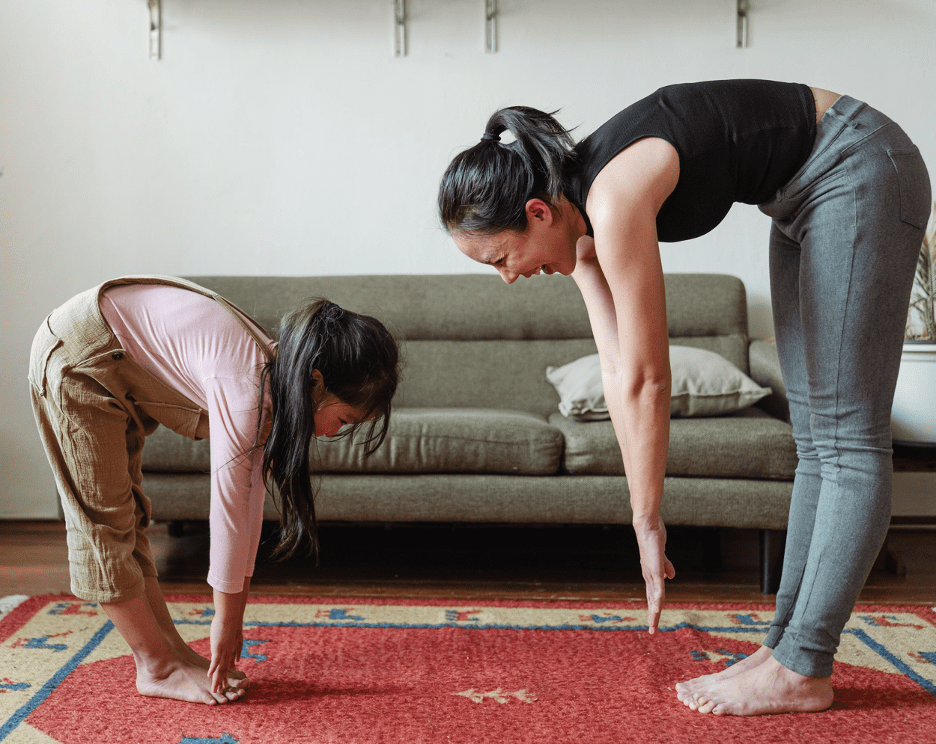
Your health is important, and you should actively take steps to ensure that you’re in good health. Remote working blurs the boundary between work hours and personal time, so you may find yourself clocking longer hours and sacrificing your rest and personal time to respond to emails or complete tasks. Before you know it, you may be skipping meals and losing sleep to do work.
This can take a toll on not only your mental health but also your physical health.
With that said, remember to exercise regularly and eat healthy balanced meals on time. Get at least seven hours of quality sleep at night. Take your breaks, and pause to catch up with family and friends once a day.
If there’s any lesson everyone should learn from this public health crisis, it’s that one should always prioritize their health. When you’re physically and mentally healthy, you can do more, achieve more, and live your fullest life.
