
Art therapy is a powerful tool that helps teens explore their inner world, express complex emotions, and develop coping skills in a safe environment. Through various art therapy activities, young people can find a creative outlet to navigate their emotions, improve social interaction, and foster personal growth. Whether in art therapy sessions with art therapists or self-guided creative practices, these art therapy activities for teens offer a holistic approach to mental well-being.
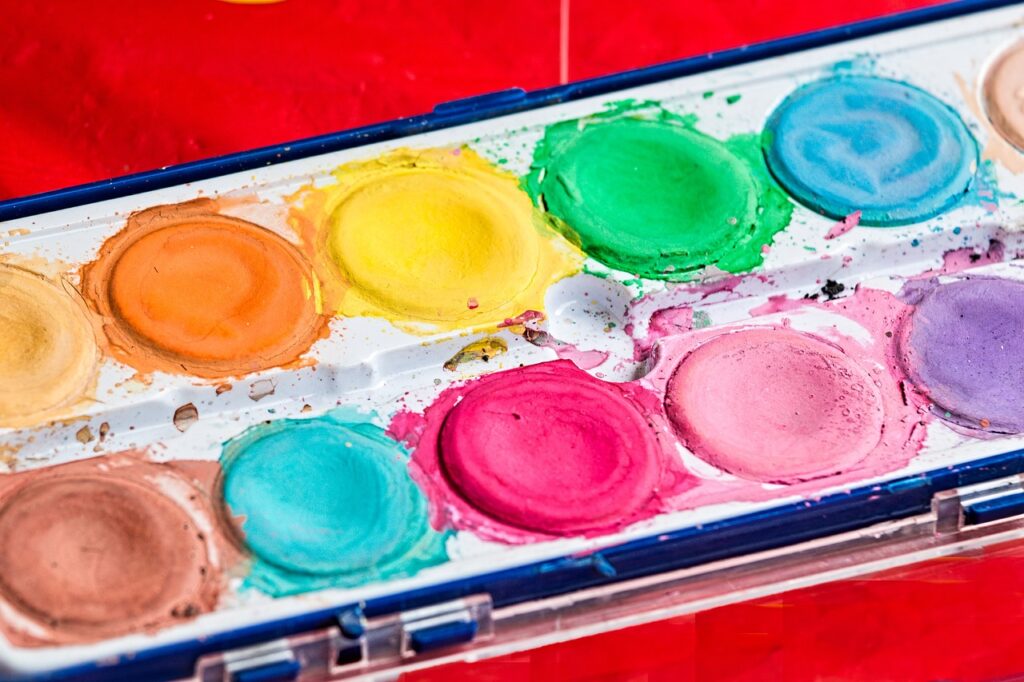
When I was in hospital with depression art activities were very much part of the treatment plan. Play therapy and art therapy have long since been used as a therapeutic tool and there are specialists that offer this as therapy, as it is a great way to explore feelings and emotions for those with mental health challenges.
The Benefits of Art Therapy for Teens
Engaging in creative activities allows teens to express different emotions in a supportive space. Many struggle with verbal communication, and artistic expression provides an effective way to communicate inner thoughts and feelings. Additionally, these activities help develop problem-solving skills, enhance social skills, and encourage a sense of accomplishment.
Art Therapy Ideas and Activities
Here are some engaging art therapy ideas that can benefit young adults and teenage clients.
1. Abstract Painting: Expressing Emotions with Colours
Using acrylic paints and different materials, teens can create abstract art that represents their emotional exploration. Encouraging them to choose different colours based on their mood can lead to insightful visual representations of their inner thoughts.
Resources Needed:
- Acrylic paints
- Paintbrushes and sponges
- Large canvas or thick paper
- Palette for mixing colors
- Water and paper towels for cleanup
2. Dream Catchers: Weaving Positive Change
Making dream catchers is a unique way for teens to focus on their dreams and aspirations. This art project can symbolize filtering out negative feelings and embracing a positive change which helps with emotional growth. You can find some instructions on how to make dream catchers here.
Resources Needed:
- Metal or wooden hoops
- Yarn or string
- Beads, feathers, and decorative items
- Fabric scraps or ribbons
- Scissors and glue
3. Finger Painting: Connecting with the Present Moment
Finger painting is an effective tool to help teens engage in the creative process without overthinking the final product. It’s a creative way to experience freedom, joy, and connection to the present moment. This can be a great stress relief for people of all ages.
Resources Needed:
- Washable finger paints
- Large sheets of paper or canvas
- Disposable gloves (optional for those sensitive to textures)
- Wet wipes or towels for cleanup
4. Coloring Books: A Relaxing and Therapeutic Process
Using a colouring book designed for expressive art therapy allows teens to focus on emotional regulation while enjoying a structured activity. This practice can create a safe space for relaxation and self-expression. Coloring mandalas is highly beneficial in art therapy, especially for teens. It promotes emotional regulation, stress relief, and mindfulness by encouraging focus on intricate patterns and repetition. The structured yet creative nature of mandalas allows for self-expression while also providing a sense of accomplishment. Research has shown that engaging in mandala coloring can help reduce anxiety, increase concentration, and promote emotional healing by bringing a sense of balance and calm.
Resources Needed:
- Therapeutic or mandala colouring books
- Coloured pencils, markers, or gel pens
- Quiet and comfortable space for relaxation
5. Music Therapy and Art: Blending Sound and Visual Expression
Combining music therapy with art helps teens translate feelings evoked by music into artistic expression. This effective approach encourages deeper emotional healing and a stronger connection to their emotions.
Resources Needed:
- A variety of music playlists (calm, energetic, reflective)
- Headphones or speakers
- Art materials such as paints, crayons, or markers
- Canvas or sketchbooks
6. Journaling with Art: Merging Words and Images
A piece of paper can become a canvas for both writing and drawing, allowing teens to explore their emotions in new ways. Adding colors, sketches, or collages to written reflections enhances creative expression and helps in processing feelings.
Resources Needed:
- Journal or sketchbook
- Pens, colored pencils, or pastels
- Magazine clippings for collages
- Glue, scissors, and stickers
7. Group Art Therapy Activities: Strengthening Social Interaction
Participating in group members-based activities fosters a supportive environment where teens can share experiences and receive positive feedback. Collaborative projects promote social skills and strengthen relationships with peers and family members.
Resources Needed:
- Large poster boards or canvases
- Markers, paints, or mixed media materials
- Team-based prompts or themes
- Open space for group interaction
8. Creating Vision Boards: Setting Goals Through Art
Vision boards allow teens to visually represent their goals, dreams, and aspirations. This activity helps them stay focused on positive change while reinforcing motivation and self-confidence. Personally I find that if teens can create vision boards then they are looking towards their future, they are manifesting their life. This helps the subconscious start working towards the conscious and progress can be made.
Resources Needed:
- Large poster board or corkboard
- Magazines and printed images
- Scissors, glue, and tape
- Stickers, markers, and colored paper
- Inspirational quotes or affirmations
9. Making Wreaths: Symbolizing Growth and Healing
Creating decorative wreaths allows teens to explore themes of renewal and personal growth. They can use colours, textures, and materials that reflect their emotions and aspirations.
Resources Needed:
- Wire or foam wreath base
- Artificial flowers, leaves, or natural elements
- Ribbons, fabric, or decorative accents
- Scissors, glue, and floral wire
- A space to display their creation for inspiration
Creating a Safe and Supportive Space
To ensure that teens benefit from these various art therapy techniques, it’s important to provide a safe space where they feel encouraged to express themselves. A supportive environment allows them to explore their creativity without judgment and develop their emotional intelligence.
Art therapy is a valuable tool for teens navigating emotional challenges. By engaging in various art forms, they can discover new ways to communicate, heal, and grow. Whether through art therapy exercises in structured sessions or self-led creative activities, the therapeutic process offers a pathway to greater self-awareness and well-being.
