
Left-handed people make up 10% of the population but I had never given it much thought until we realised Dylan was left-handed. My dad recognised that Dylan was a leftie at about six months old. He reached for things with his left hand all the time and it was very dominant. At that young age many children have no preference and it is often not noticed until a child is 18 month or older. As a parent of a leftie I found that it helps to be prepared with left-handed school supplies that you can use at home and in the classroom.
When I realised Dylan was left handed I wanted to be able to understand what would frustrate him or be more challenging for him. This book below was an absolute game changer and helped me understand how his left handedness was impacting on him, without him having the words or understanding to tell me. I learnt a lot from this book and recommend it it to other parents.
Being left-handed is obviously not a problem but it does make things trickier for them. As a parent or teacher of a left-handed child, there are things that you can do to make life easier and to stop your left-handed child struggling at home and school or getting frustrated. As a teacher, I hadn’t ever considered my left-handed student’s issues until I had my son. Prior to this, I had a couple of pairs of left-handed scissors and that was all I had considered. Now I look at seating plans and my resources too.
Many school supplies are made with only right-handed writers in mind, leaving lefties to grapple with equipment that is uncomfortable and difficult for them to work with. However, there are left-handed school supplies out there if you know what you are looking for!
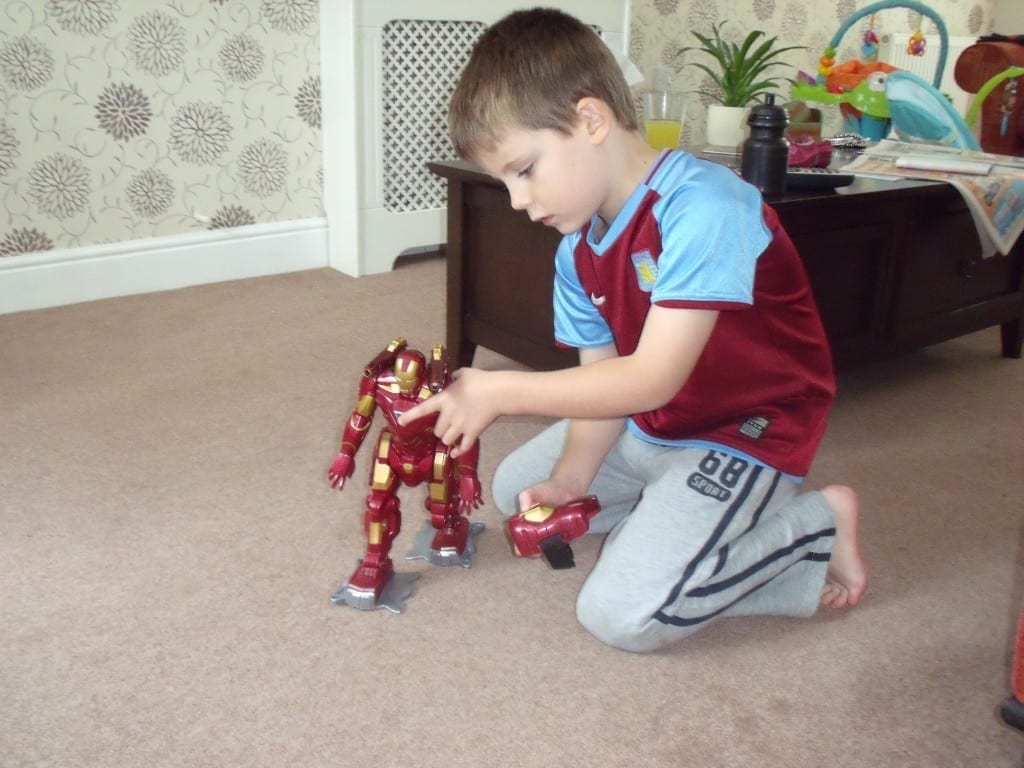
Top tips to Support Left Handed Child Struggling at Home and School
- When baking with your toddler put things the left side of their body for them. When I used to bake with Dylan I realised he looked awkward. That was because I had positioned things wrong for him. He didn’t realise to move things and as such he struggled more. Think about how you pour, left-handed children are doing it backwards if it is on the wrong side of their body.
- Left-handed scissors are essential. Scissors are made with the sharp blade on top. Therefore a leftie cannot just learn to use right-handed scissors. They don’t work if being held in the wrong hand.
- Tieing laces is also a tricky skill to learn. Velcro shoes were made to help!
- When children start writing with pens they are pushing the pen across the paper rather than pulling like the majority of us. This makes smudging their work a common occurrence. Therefore consider the pen they are learning with. Fountain pens are no good as they smudge. You can buy left-handed pens that arch with the hand putting it in the optimum position. These are great when learning to write.
- In the classroom, there are issues with where you sit. A left-handed child needs to sit on the left side of a desk or table. Otherwise, they will be clashing hands with the child sitting next to them.
- Also in some classrooms, especially practical lessons desks are not designed for lefties. In Dylan’s music class there are three left-handed desks and it is always a race into the class apparently because there are four left-handed children in his class!
- When playing sports it is a good idea to try both hands and feet. It wasn’t until we went on an activity holiday that we realised how much Dyl had to try sports with both hands. This enabled him to decide which felt the most natural. For example, he plays golf right-handed but skateboards left-handed / or footed even!
We hope these tips help. If you have a leftie what difficulties and solutions have you discovered whilst learning how to stop your left handed child struggling at home and school.

