
Ensuring your dog’s happiness and health goes beyond just providing meals and occasional walks. A truly thriving canine companion requires a blend of physical care, mental stimulation, and heartfelt bonding. In this blog, we’ll delve into the most effective ways to elevate your dog’s quality of life, covering everything from nutrition and exercise to training and socialization. Prepare to discover tips and tricks that will not only nurture your furry friend’s well-being but also fortify the unique bond you share.

Bed Size Tips for Your Dog’s Comfort
Selecting the right bed is crucial for your dog’s comfort and health. A bed that’s too small can cause your dog to have insufficient room to stretch, leading to cramped muscles and restless sleep. On the other hand, a bed that’s too large may not provide the feeling of security that dogs instinctively crave.
To find the perfect fit, measure your dog from nose to tail while they’re sleeping and add a few extra inches to ensure they have plenty of room. Do you need large dog beds for bigger breeds such as Great Danes or Mastiffs? Or would a smaller bed work for your petite pooch? Consider your dog’s breed and size when selecting the right bed.
Nutritious Diet and Hydration
Your dog’s health is mostly dependent on what they eat. Feeding your canine companion high-quality food that’s rich in lean proteins, healthy fats, and complex carbohydrates can profoundly impact their overall well-being. It’s essential to tailor their diet according to their age, breed, and activity level, ensuring they receive the precise nutrition they need to thrive.
Also, don’t overlook the importance of proper hydration. Fresh, clean water should be available at all times, as it aids in digestion, helps regulate body temperature, and is vital for kidney function. Whether it’s through a standard water bowl or a flowing fountain, make sure your dog stays adequately hydrated throughout the day.
Mental Stimulation and Enrichment
Like humans, dogs need mental stimulation to lead fulfilling lives. Boredom and excess energy can lead to unwanted behaviors, such as chewing or excessive barking. To keep your dog’s mind sharp, incorporate challenging games and puzzles that can provide them with a sense of purpose and accomplishment.
Agility courses and interactive toys that reward problem-solving with treats can also offer excellent mental workouts. Regular training sessions, teaching new tricks, or practicing commands not only reinforce good behavior but also strengthen your connection with your dog. Keep the activities varied and fun, and always ensure they are safe and appropriate for your dog’s age and health status.
Consistent Veterinary Care
Regular visits to the veterinarian are essential for maintaining your dog’s health and catching any potential issues early. Preventative care, such as vaccinations, flea and tick prevention, and routine check-ups, can prevent larger health problems down the road. Additionally, your vet can provide valuable advice on your dog’s nutritional needs, exercise regimen, and overall welfare based on their breed and age. Establishing a consistent veterinary care routine ensures your dog stays up-to-date with their health requirements and gives you peace of mind. A healthy dog is a happy dog, and consistent veterinary care is a key component of their well-being.
Socialization and Interaction
Socialization is vital in cultivating a well-adjusted and confident dog. It involves exposing your dog to various people, animals, environments, and experiences during their early stages of life and beyond. Proper socialization reduces fear and anxiety, paving the way for positive interactions and helping prevent aggressive behavior.
Encourage gentle play with other dogs, introduce them to different people, and take them to new places regularly. This not only keeps them engaged and teaches them proper social etiquette but also contributes to their psychological health. Remember that social interaction should always be monitored and conducted in a safe, controlled manner to ensure positive experiences for everyone involved.
Safe and Secure Environment
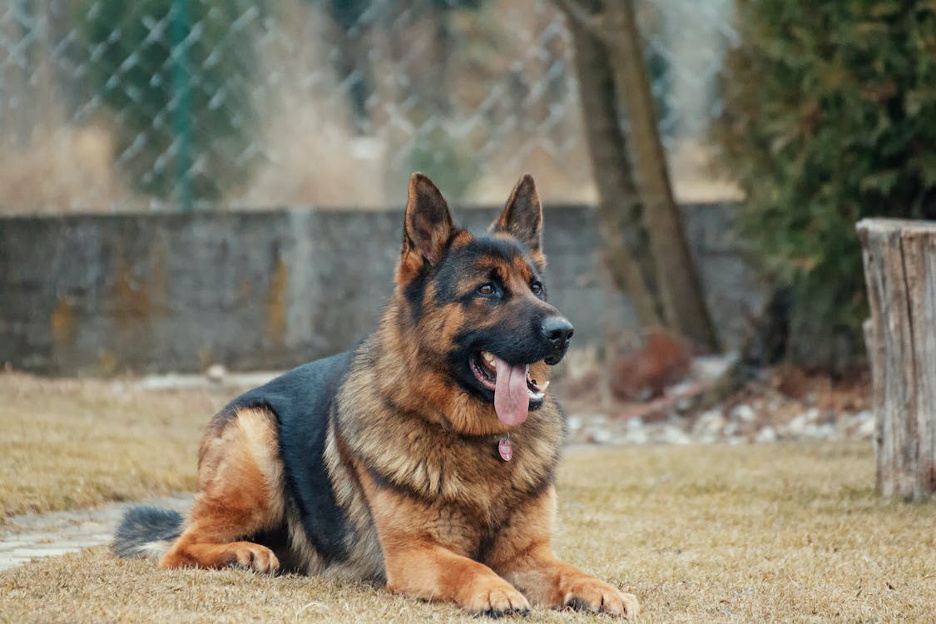
Creating a safe and secure environment for your dog is just as important as meeting their social and health needs. A dog-proofed home and secure outdoor space protect them from potential hazards and provide a haven where they can relax. Remove toxic plants, ensure harmful substances are out of reach, and check that all fencing is sturdy and high enough to prevent escapes.
In addition to physical safety, a stable routine with clear boundaries and expectations provides a sense of security for your canine, allowing them to understand their place within the family unit. Emotional safety is also key; dogs should have a quiet retreat space—a sanctuary where they can unwind and feel protected when the outside world becomes overwhelming.
In conclusion, keeping your dog happy and healthy requires a holistic approach that takes into account all aspects of their well-being. From providing the right bed size to ensuring proper nutrition, mental stimulation, consistent veterinary care, socialization, and a safe environment, each element plays a crucial role in their overall health and happiness.
