
Whether you’re an expert gardener or a complete novice, there are a few tips and tricks you need to have up your sleeve to make sure you’ve got a garden that’s blooming and flourishing at its best, to say the least.
There are a number of tools that you will want to have in the garden shed that makes garden maintenance much easier, these include rakes, spades and possibly a chainsaw – I have been asked previously are chainsaw sharpeners worth it, and I’d say yes.
So read on- you might know about some of them, but often tend to ignore them, and if that’s the case, here’s a little more push for you that way.
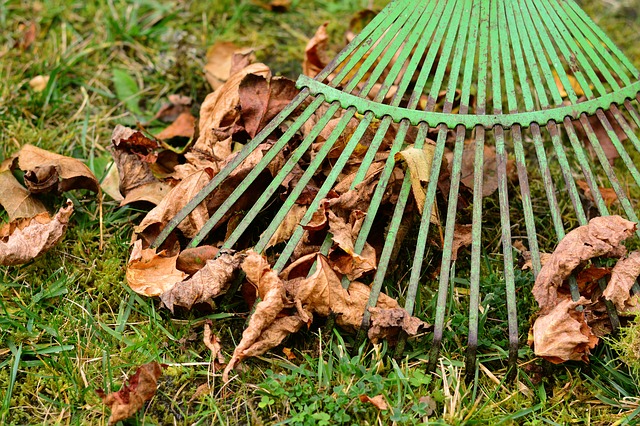
1. Know your Soil
First and foremost, always check and know the soil type in your garden. This will help you make better and smart choices about the kind of plants you’ll be planting, how often do you need to water them and their fertilizer requirements too. Before you get started with planting, also add a 1-2 inch protective layer of mulch which will help reduce soil erosion and also enhance water retention.
2. Choose the Correct Fertilizer
Now this one’s a biggie- depending on the soil type, apply the correct fertilizer and make sure you do it in the right quantity.
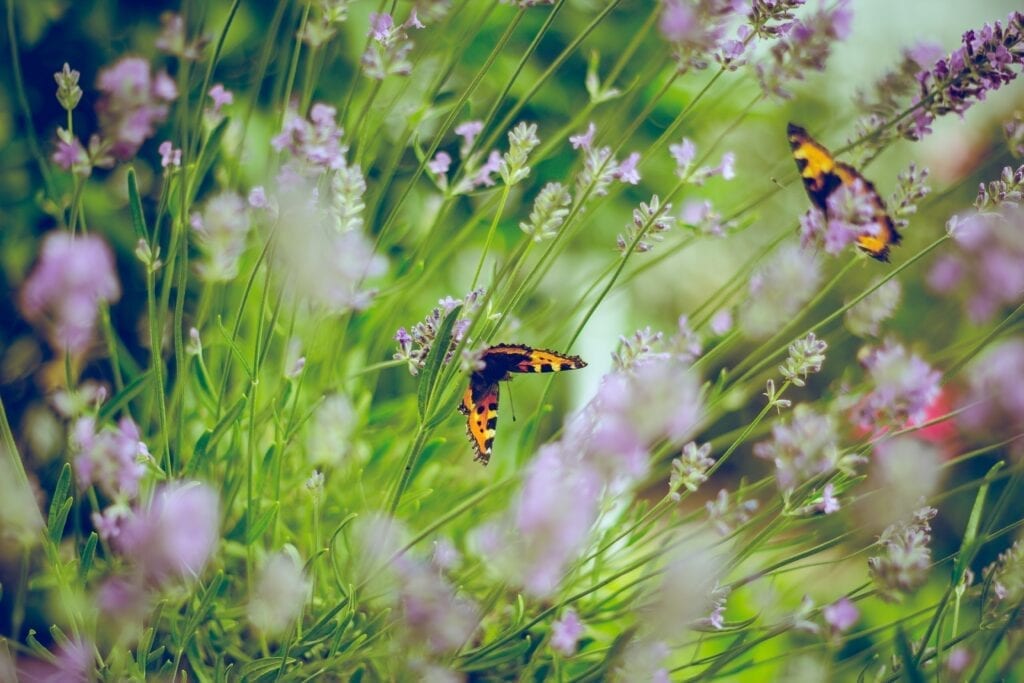
Applying too much fertilizer, as any sound gardener would know, is not a good idea since it can do more harm than help- and even burn your plant’s roots.
3. Pick Disease Resistant Plants
One of the keys of successful gardening is to make sure you choose the right varieties of plant based on your garden type, soil type, climate etc, and also choose disease resistant varieties of plants.
4. Water Right
This one’s probably the most important of all garden maintenance tips we, or anyone could tell you. Different plants have different water requirements, and the best way to ensure that they grow at their best is to give them just the right amount of water at the right time.

This may sound like too much work, and if that’s the case, you can always hire a good garden service and get sorted!
5. Avoid Overcrowding
Another simple tip to remember during gardening is to space your plants correctly, and make sure you don’t overcrowd them.
Most expert gardeners will tell you that it is best to have good airflow around your plants since it also means less competition among them for resources like sunlight, water, food and space.
6. Remove the Dead
It is also very important to get rid of all the rotting and dead plants and veggies in your garden.

You might ignore this one, thinking that it might decompose and provide nutrition to the plants that are thriving, but that’s one of the biggest misconceptions a lot of gardeners tend to have. In fact, dying vegetation is usually a home for pests and insects that harm your plants.
7. Learn Weed Control
Apart from being a nasty problem themselves, weeds also invite pests and insect, and lead to many plant diseases if left ignored. Make it a point to de-weed your garden, especially during the initial stages of plant growth.
It is also a good idea to pick fertilizers that also have weed control capabilities- it just helps because that way, you kill two birds with one stone.
8. Mow Your Lawn Regularly
Something that can happen to your garden is your grass takes over and grows wild. If this happens it can turn into long seed grass which isn’t good for your garden.

If this happens your garden can start to look more like a wild field than a lovely garden. To avoid this pick a dry day to mow your lawn and keep on top of it even during the winter months.
It is easier to maintain in summer as the weather is nicer but it also grows at a faster rate whereas winter has less growth and can often go longer between cuts.
9. Have A Watering Routine
During summer watering your plants and grass is vital for it’s health. If not your garden will dry out and die leaving you to start again. Creating a watering routine will help keep your garden hydrated and healthy.
There are two times within a summers day you should be watering your plants; early morning before sunrise or early evening as the sun sets.

As the sun can often scorch and burn the plants which have water on teh leaves this can leave them just as dry and thirsty as they would be if you didn’t water them at all. So watering before or after sun hours is advised so your garden can soak up all the water and dry out before the next day starts.
10. Clear Up Between Seasons
As the UK is a place known to have very different seasons your plants and garden will also respond different to each of the seasons. Some plants will only thrive in the spring and summer months where as some bushes, trees and grasses will survive all year round.
The best time to clear up after a thriving summer is late autumn before the winter really hits. Move any plants that need warmth indoors, take any dead plants out and place them in your compost bin and de-weed your lawn and plant beds to stunt any further growth.
As you clear up your garden it will be ready then when it comes to Spring time to replant and rejuvenate your garden.
11. Pick Low Maintenance Plants
If you aren’t much of a gardener but you still want to have a lovely looking garden look at picking low maintenance plants. You can find a number of beautiful plants that can be pretty self sufficient during many months of the year.

Look at adding plants in pots to decorate some of the edges and corners of your garden or pick those that work well together.
Add in other plants such as grasses and bushes which are more hearty and can last over the year instead of just the summer so then you can have a continuous growth in your garden all year round.
12. Invest In A Water Butt
Something many gardeners really value is a water butt. It can be a great resource for helping maintain a garden all year round. As the water can be collected from your house guttering, from the fence or greenhouse space.
Water butts are great for reusing water during the summer months to save on your water bill and to re-use the rainfall which has already fallen.
Bonus Tip: Attract Good Bugs
Finally, you’ll want to find ways to attract good bugs for effective pest control. Good bugs help to keep the bad bugs at bay. Beetles, such as ladybirds, hoverflies, and even praying mantis are all great options. If you are looking to upcycle garden furniture read this post.
To attract good bugs to your garden, you’ll want to sow plants that provide them with a good habitat. Catmint and alyssum are both great options.
You’ll also want to choose plants, such as yarrow, with umbrella-shaped flowers. These help attract wasps which prey on aphids and caterpillars.
Good bugs like water as well, so adding a pond to your garden can increase biodiversity.
Disclosure: Collaborative post

One Response
Thanks for telling me that I need to check the soil type that we have in our garden. I’ve always wanted to try doing yard work myself but I’m not confident enough if I’ll be able to handle all the tasks on my own. It might be better if I’ll hire experts in residential landscape who can make my outdoor area look good.