
Plumbing problems can be costly.
Replacing major components and appliances can tally into the thousands of pounds, and that’s before you take into account damage to other areas of the property if your plumbing problem results in something like a flooded kitchen. The worrying truth about plumbing issues is that they can almost always get worse. Most would-be serious plumbing emergencies start out small and develop — sometimes slowly, sometimes rapidly.
It’s important to note, though, that not all emergency plumbing scenarios are obvious. Some are painfully so, like major pipe breaks or a gas leaks, however, other emergencies can be much more subtle, while still requiring immediate attention. To avoid worst-case scenarios, it’s important to understand what you should be looking out for and how to best react in order to avoid complete and utter disaster.
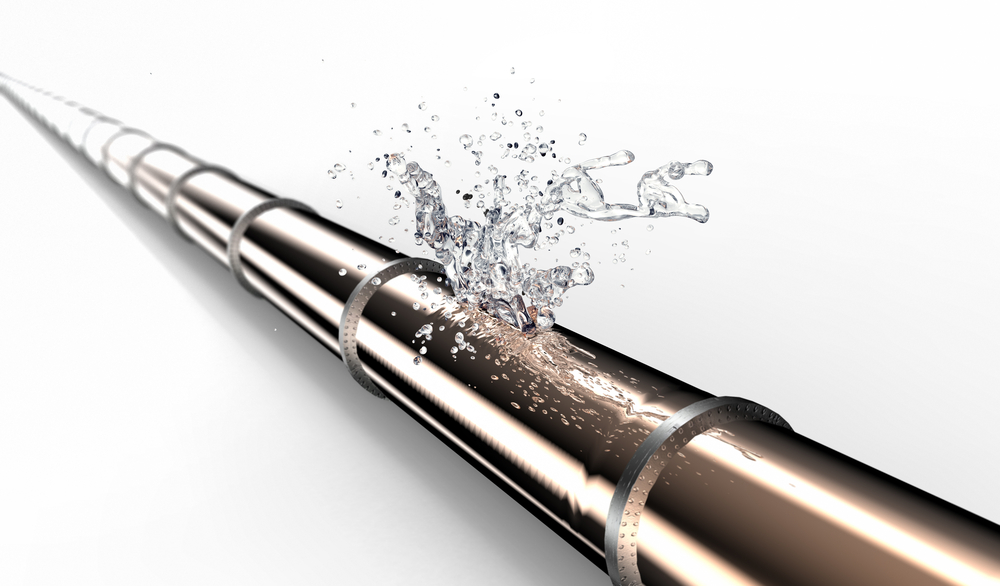
Common Emergency Plumbing Situations
For those without the know-how, it can be difficult to understand exactly what constitutes a nuisance problem and what requires immediate action to avoid a progressive issue or disastrous event. Below are some of the most common emergency plumbing situations; problems that deserve more attention than a ‘wait and see’ approach or becoming the latest addition to your ‘to-do’ list:
- Water Output Problems: When water output is increased or reduced — for example, taps are always running or shower pressure is low — you can often get on with daily life without much in the way of interference. Still, though, this shouldn’t be happening. Somewhere in your plumbing system, there is a fault. Because it’s got to this point, it is likely it will progress or is actively doing damage elsewhere in the system. It could mean that parts are worn down and faulty, that there is a leak you haven’t yet found, or a blockage is creating a buildup of pressure in your pipes.
- Leaks: Leaks, no matter how small, should be considered a job for immediate repair. Leaks aren’t just an annoyance that cause water damage; they are symptomatic of more severe plumbing problems. A pipe is designed not to leak, period. Any leak found indicates a fault and unless you are aware of what caused the fault, you cannot know the timeline of how long it took to get to this point, or how long it might take before it gets worse.
- Frozen Piping: In the British winter, it is common for temperatures to hit-sub zero at night. This creates a problem for exterior piping, as well as internal piping that isn’t in a heated environment; the water inside it can freeze. Frozen pipes can lead to increased pressure within your system and create weaknesses or breaks in the affected areas and, as such, need to be viewed as a potential emergency.
- Boiler Faults: The boiler is the lifeblood of your property, keeping everything warm and functional, but as many homeowners are all too aware, they can be very temperamental. There are a host of problems that can affect your boiler, from pilot light woes to an inability even start the appliance. Some boiler problems, however, are little-known emergencies. Problems such as noises from the inside and unscheduled switch-offs indicate serious internal wear-and-tear, blockages or damage. Boilers won’t explode, but they can get worse very quickly, leaving you without hot water or heating and massive bills to boot. Identifying these emergency plumbing problems early can significantly reduce their impact.
What to Do When Facing an Emergency Plumbing Situation
The above is not every potential emergency plumbing problem you may ever face in your lifetime, but it should hopefully give you a good idea of what actually constitutes a problem worth being late to work for. But what do you do when you’re faced with a problem that you can firmly categorise as an emergency?
Step One: Identify
Knowing exactly what the problem is, or at least gathering as much information as you can, often results in faster and more effective problem-solving. Questions to ask yourself include:
- Is there a break in a pipe somewhere?
- Is there an area that is warm but then cold, indicating a blockage?
- What kind of noise is your boiler making?
- How much of your pipework is frozen?
You may not always be able to find out what is causing your plumbing problems, so don’t worry if you can’t. Sourcing this information simply makes the next steps easier.
Step Two: Mobilise
Once you’ve identified the problem, or have assessed it to the best of your ability, it’s time to call in an emergency plumber to rectify the issue. Provide as much detail as you can on your call, to allow them to be prepared for the issue they’ll face.
Be sure to contact a plumber who offers specific emergency plumbing services. Dealing with emergency plumbing issues is very different from routine maintenance and replacements, so getting in the right person for the job is crucial. Even in situations where you’re short on time, it’s advisable that you make an effort to call out a trustworthy plumber. A good way to do this is to check reviews and recommendations online.
Step Three: Stabilise
Emergency plumbing problems are not something you should fix yourself. They require an expert hand and appropriate tools. However, you can take steps to minimise damage while a professional is en-route. Steps to take that can stabilise the situation and reduce the impact of your plumbing emergency are:
- Turn off the water supply
- Secure leaks with waterproof/electrical tape
- Deactivate your boiler
- In the instance of a frozen pipe, avoid turning on the heating to prevent early thawing

5 Responses
I agree that plumbing leaks need to be taken care of immediately. They will only get worse if you leave them as they are.
I think in plumbing, Leakage is the most common that every household faced. For that, we need to consult an expert plumber to resolve the leakage problems before it becomes worse. Thanks for the eye-opening post.
I find it worrying that you said that water frozen in both indoor and outdoor pipes can lead to creating weaknesses or breaks in them. With that, I thought that I should get a local plumbing service as soon as possible. Doing this will help make sure that we can take a bath during winter and prevent water damage too.
Nice posting ! Thanks for sharing this information
PTFE Hoses in INDIA
Thanks for letting me know that plumbing problems can really cost me a lot. I’ve ignored my toilet whenever it clogs briefly and I’m afraid that it will turn into something serious really soon. I guess it’s time for me to hire plumbing experts who can permanently fix this problem.