
There’s a lot to think about when it’s time for the kids to go back to school – and more so when your child has special needs. In this article, we’ll be sharing back to school tips for parents with kids who have special needs.
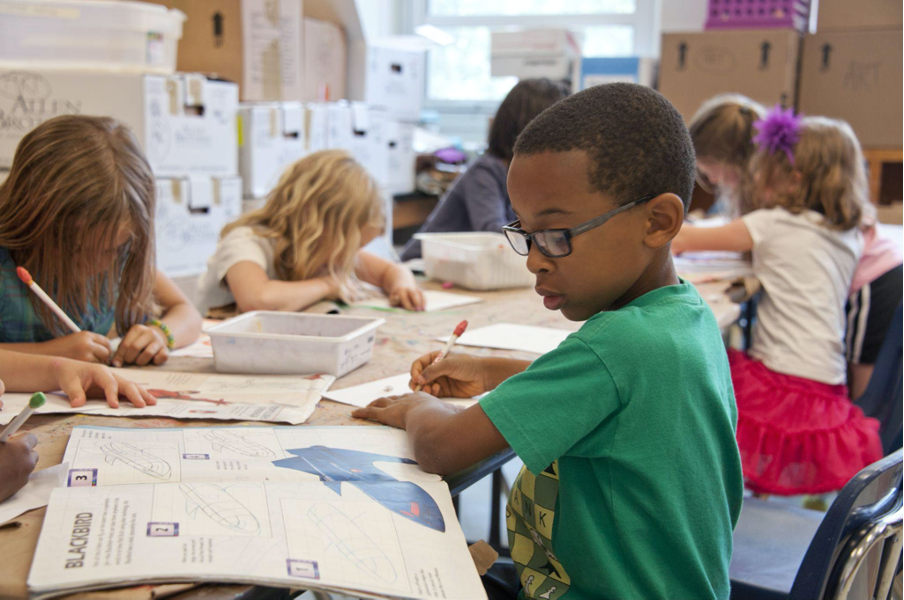
Back to school time can be fraught for both parents and kids, but when your child has special needs, it can be even more stressful.
Special educational needs solicitors see that parents of special needs children may not always feel supported by their child’s school. Because of this, back to school time can be filled be anxiety.
In this article, we’ll be sharing our back to school parenting tips for those with special needs children.
What Are Special Needs?
This term refers to a child or individual who struggles with everyday life, learning or both. This is often due to a medical, mental or psychological disability – and these disabilities can range from mild to severe.
Such special needs may include a child with autism or one who deals with emotional difficulties. Often, special needs children will require extra care and attention from their parents and their teachers in order to be able to navigate daily life.
Back to School Tips for Parents with Special Needs Children

It’s common for both parents and special needs children to have some jitters when it comes to going back to school. While these probably can’t be eliminated entirely, there are a few things that you can do to make the transition easier. Some of these are as follows:
Review your child’s IEP
Before school restarts, it’s a good idea to take a look at your child’s IEP (Individualised Education Program) to make sure that it still fits your child’s needs or if it needs to be reviewed. If the latter is the case, you can then make an appointment with the school to review this.
Reassure your child
In many cases, a child with special needs will become upset or agitated at the thought of returning to school – even if they generally enjoy being there. Talk to your child about their fears and offer reassurance, as well as talk to them about the new friends that they will make, and the new, exciting activities that they will be doing.
The parent/teacher relationship
If your child is going to have a new teacher, it’s important that you – as well as your child – that you establish a good relationship. Where possible, try to arrange a meeting with the teacher before school starts in order to introduce them and to make the teacher aware of your child’s requirements. Establishing a good relationship with your child’s teacher will help to keep communication channels open, and better enable you to monitor your child’s school life.
It’s also a good idea to keep a record of all communication with your child’s teacher and school. This way, should a problem occur, you will need to refer back to emails, telephone calls and conversations.
Establish a routine

A lot of special needs children rely on routine in order to be able to navigate daily life. So, it’s important to establish this straight away – from getting up in the morning to after school activities. By doing this, your child will adjust much more quickly to being back at school – as will you.
It’s also sensible to set up calendars and reminders at home so that everybody in the household is kept informed of what they are doing and when. This will make daily life run much more smoothly for everybody.
Be fair
It is, of course, important to listen to your child when they have a grievance about school or about a teacher. However, it’s also important to be fair and not jump the gun. If your child is anxious or upset about going back to school, it’s possible that they will exaggerate an incident or treatment under the belief that they will no longer have to go.
As a parent, it’s important to hear both sides so, should your child have a complaint, make an appointment to meet with the teacher. Then, you can listen to what they have to say.
Follow the right channels
If you feel that the school or a teacher is failing your child and a meeting with the teacher has not resolved the issue, it may be time to take this further. Your next step may be to meet with the school authority to find out what your options are.
For example, possibly moving your child to a different school which is more suited to their needs could be called for. If this doesn’t work, you may want to consider speaking with a special educational needs solicitor in order to take the matter further.
School of thought
Life with a special needs child can be a joy – but it’s not always easy. While any child may not relish the idea of going back to school, this can be much more daunting for one with special needs.
As a parent, the key to a smooth transition is very much in communication – both with your child and with the school. By keeping communication open, you can ensure that your child’s school life is as productive and happy as possible.
