
Children all around the world love their gadgets, from iPads to phones to TVs and more, however, there are also benefits of screen-free time.
But when does a child’s screen time become too much? How much time is too much?
As the world progresses, it seems like more and more kids are addicted to screens. While a little bit of screen time can be favourable in the short term, too much of it can have a great deal of negative social and physical side effects.
It is more important than ever that parents understand the benefits of screen-free time for young children.
This article will give you an understanding of why screen-free time is an absolute must-have for children of all ages.
Plus I have got alternative activities and games that children will love. It is so important that children use their imagination and that they learn to rely on themselves for entertainment instead of electronics. The whole family can benefit from a time limit on using mobile devices and parents should also question their own use as we are our children’s greatest role models. Wicked Uncle have you covered with lots of exciting products for all ages and these can help you have quality time with each other without relying on screen games.
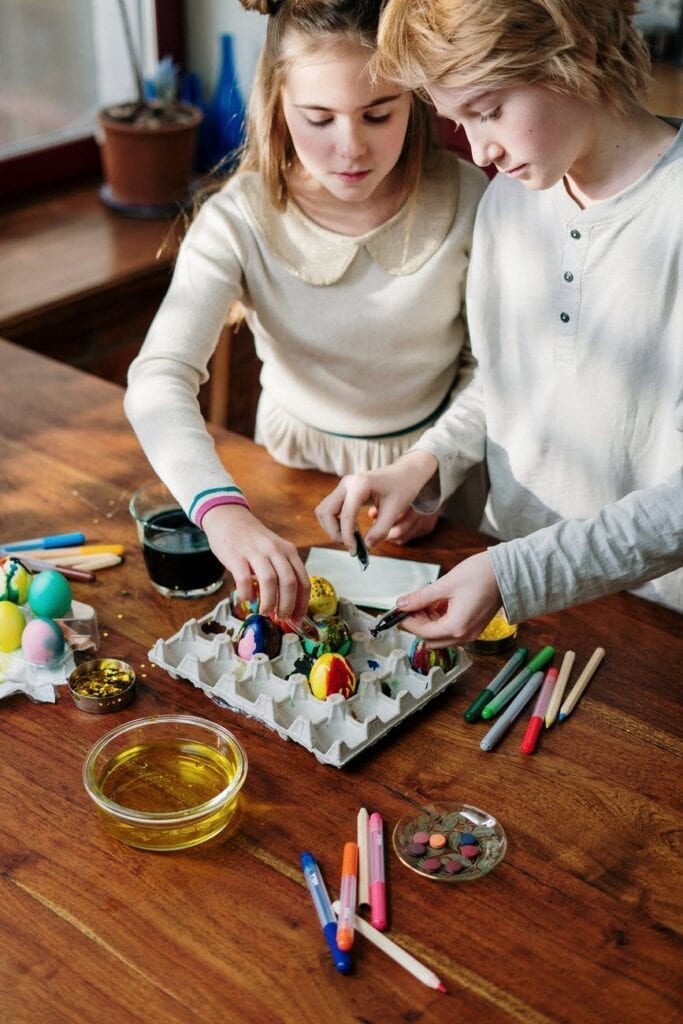
Benefits of screen free time
1. Promotes the development of social skills
Many children lack social skills in modern society due to their attachment to their devices and this can lead to behavioral issues too.
For example, children who are on their mobile phones for extended periods of time have less empathy for others. Furthermore, they can’t read facial expressions as well and lack an understanding of tone, this alone explains the benefits of screen-free time!
A recent play study proves that for every 30 minutes of screen time there is a 49% increased risk of delay in terms of expressive language. Language development is fundamental to a child’s growth and understanding of the world they live in.

In fact, younger kids who use screens for a long period of time, have trouble speaking as well. This is because, while a child can learn from a computer, they don’t get the necessary feedback that they need for development. On the other hand, with the absence of screens, children get a chance to socialize and interact with others and engage in real play.
As a result, they learn vital social skills and pick up on social cues much faster and this allows them to be more considerate of others.
Furthermore, children who have screen-free time have better attention spans, which means that they are usually more engaged in school and when talking with other people and kids of all ages.
2. Encourages creative thinking
Excessive screen time encourages children to take information in passively, as opposed to thinking for themselves.
Screen-free time does the opposite and has positive effects including promoting self-driven, critical thinking. We can see that there are numerous benefits to switching off screens for young people.
As a result, children who spend less time on electronic devices are more creative and engaged with the outside world
In fact, older children who engage in more creative activities and pursuits, and use their imagination more, are happier than their screen-addicted counterparts.

3. Gives the brain a break
Sadly, a dependence on screens and video games affects the brain negatively.
When children play games or use social media on their phones, they are hit with consistent and random bursts of dopamine (the neurotransmitter that makes us feel pleasure). Unfortunately, heightened levels of dopamine lessen impulse control and increase stress in children which can negatively impact on mental health issues.
This chemical is so addicting and can lead to addictive behaviors, in fact, that it’s the same one that (in larger amounts) compels many drug users to continue using.
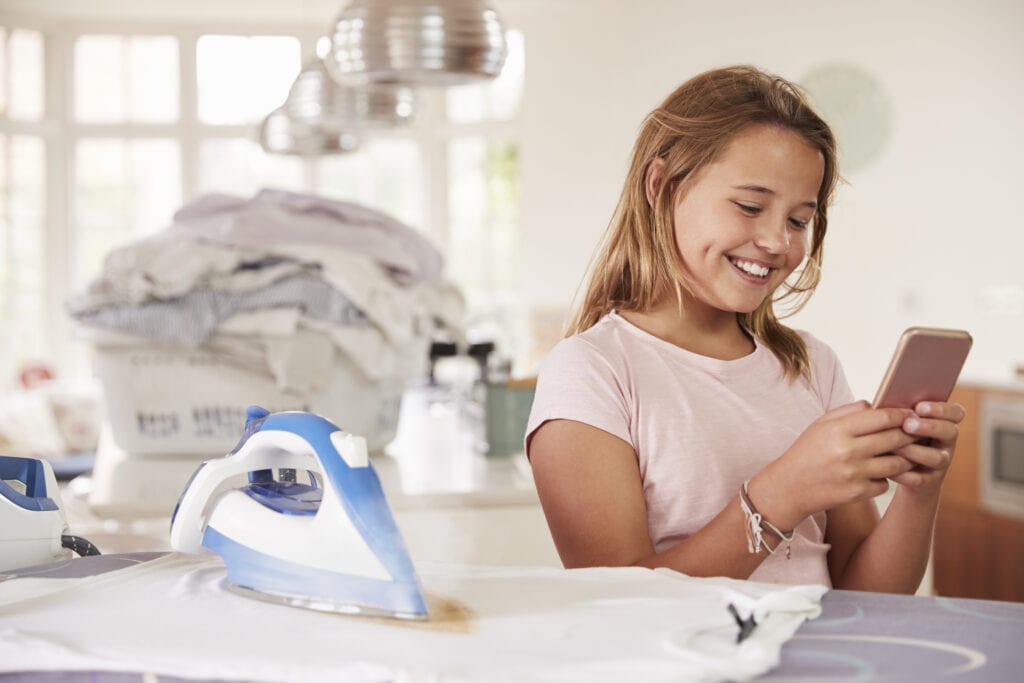
It is proven that kids who spend more time on their screens are more easily distracted (due to this dopamine addiction) and find it harder to finish tasks which could include school work. Continued use of these devices creates a dependency in many children – they will feel uneasy or uncomfortable when not in front of a screen.
Screen-free time is beneficial in kids because it allows the dopamine receptors in their brains to rest, limiting their dependency on electronics in the long run.
4. Promotes better sleep
A further benefit of screen free time is that the blue light emitted by electronic devices “wakes up” the brain and causes children to have difficulty sleeping.
This can be especially detrimental for students that use these devices late into the night, as they will be more tired when they wake up for school.
Thus, resulting in poorer grades and a dwindling interest in academics. This is also a reason that nobody should be charging their phones next to where they sleep.
Now that we have identified the reasons why we should set limits on screen time we need to look at what else we can do with our time. As parents and carers we could set a daily screen time that everyone agrees to. A useful approach is to look at your own average screen time in your settings as this can give us a reality check. If you are concerned that you have too much screen time you can use apps to limit your time. Use the gained time for new hobbies and real face-to-face relationships with those you love.
Some choose a screen-free week but that is a tall ask, instead, I find limiting the amount of time works better. There are some benefits to screens and we do live in a digital world and therefore not using technology at all is pretty hard and we do want our young people to learn how to use screens in moderation. To go without totally is often counter-productive as it encourages a boom-bust approach rather than a sensible approach. It is much better to agree to some ground rules that you all follow.

13 Easy Alternatives to Screen Time
- We love crafting and also mindful colouring which are a great way to relax. Treat your kids to some new Magic Pens because nothing much beats a fresh new set of colours. Erin literally adores having new colouring bits and she spends time winding down in the evening with colouring.
- Getting out for some fresh air is also vital, physical activity is vital for health and well-being and it is also a great way to strengthen the parenting bond. You will find time to chat about all manner of things when out walking. A walk helps clear your head and keeps you healthy.

- Reading is one of the best gifts that you can give your child. It is important for their vocabulary and helps them be successful in school. Good readers are exposed to a rich understanding and a variety of texts. To encourage reading you should read together as well as getting your child to read a real book. It is important to hear good reading and storytelling as you then understand tone and atmosphere too. Therefore audiobooks can also be a useful tool when reading. Listening to a book being read is a lovely relaxing activity with educational value.
- Take part in my kindness challenge, this is full of activities that children and their grown-ups will really enjoy and this stops excessive screen use.
- Build a den – this could be in the cupboard under the stairs, under a dining table or even outside. We used to make teepees with canes when we younger and this encourages you to problem-solve.
- Grab some chalk and draw hopscotch on a path, this encourages developing gross motor skills and
- Go on a nature hunt and collect bits and make your own bug hotel, this is a great activity for older kids who could then research and watch the bugs that visit.
- Build a pinecone Birdhouse with peanut butter & seeds. This helps make your garden attractive to wildlife and makes for great outdoor activities.
- Paint some kindness rocks to leave in your neighbourhood when out walking.
- Enjoy some time cooking in the kitchen, these Nutella Twists taste amazing and are easy to bake.
- Make these yummy hot chocolate bombs and have a film night at home.
- Make a spring wreath, I have a few examples on the blog including this easy yarn wreath.
- Play board games, a quick game can be great fun and teach other skills to children including co-operation, turn taking and even losing.
We hope that you enjoy the benefits of screen-free time and create some lovely family memories. It can help you all bond on a deeper level and help you find new ways to spend family together. Switching off
Do let me know your favourite non screen activities.

3 Responses
It looks like fun
Some interesting pieces here
Some great ideas there. We are big on screen-free ideas at the moment too.