
Childhood cancer. It is a term that casts a long shadow, encompassing a diverse group of diseases affecting children and adolescents. While relatively rare, it remains a significant public health concern. There is something about cancer in this young age group that seems especially cruel and unfair. This is likely because, unlike a lot of adult cancers, paediatric cancers are not usually caused by lifestyle factors. Children are also seen as innocent so to have something so cruel as cancer to affect them is particularly upsetting.
Here, we will explore the different types of childhood cancers, signs, and symptoms to look out for, and current treatment options. We will delve into common side effects and ways to combat them as well as look at facts about this disease.
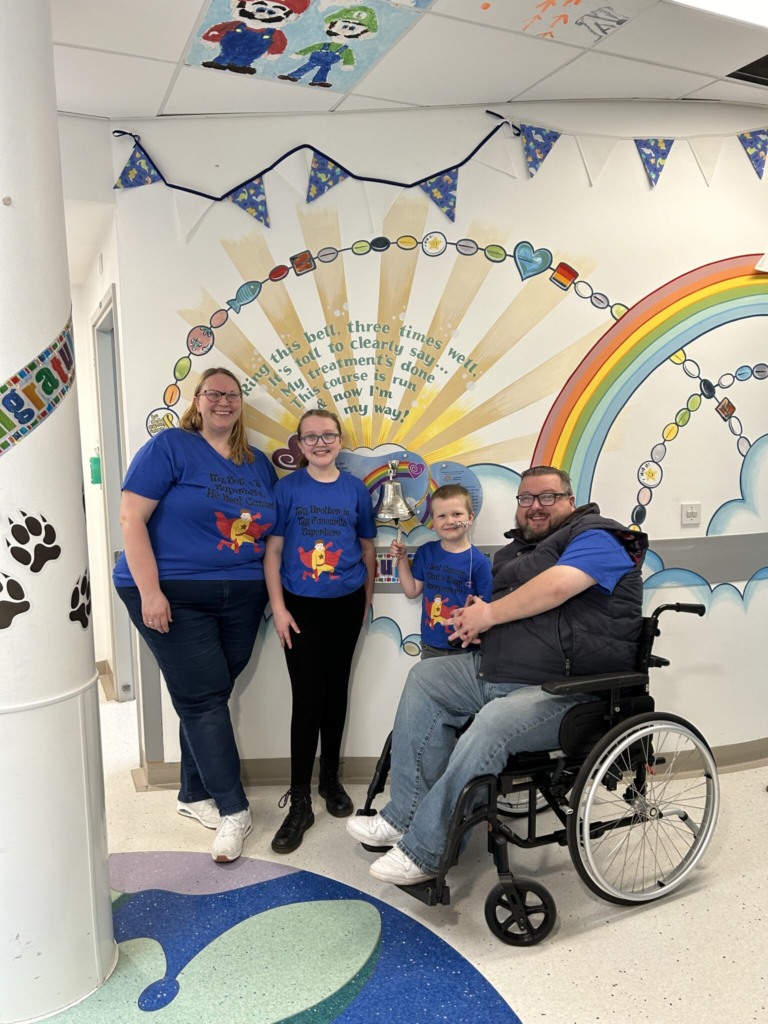
This guest blog is written by Nikki Knight, a Gloucestershire-based blogger and parent of two children, one of whom is a childhood cancer warrior. Her son was diagnosed with Acute Lymphoblastic Leukaemia in February 2022 when he was just 4 years of age. He underwent over two years of treatment and happily finished his treatment on Mother’s Day 2024. Nikki is passionate about raising awareness of childhood cancer and the impact a diagnosis has on all aspects of family life. She can be found over at her blog Unicorns, Dinosaurs and Me.
Nikki and her family after her son rang the bell to signify the completion of his childhood cancer treatment.
Symptoms
Childhood cancer symptoms can be easily confused with common childhood illnesses. Here are some signs to watch out for, but remember it is not a definitive list, not every symptom means cancer, and not every symptom will be present. If you are concerned about your child, always consult a doctor.
- Unexplained weight loss or lack of expected weight gain
- Unexplained fatigue or tiredness
- Frequent infections or flu-like symptoms that do not go away
- Persistent fever of unknown origin (especially at night)
- Night sweats
- Easy bruising or bleeding
- Excessive pale skin
- Persistent headaches, sometimes with morning vomiting
- Changes in appetite (not wanting to eat or eating a lot more than usual)
- Lumps or masses anywhere on the body, especially in the abdomen, neck, chest, pelvis, or armpits
- Development of a whitish colour behind the pupil of the eye
- Bone or joint pain that does not go away, especially at night
- Unexplained vomiting or nausea
- Changes in bowel habits (constipation, diarrhoea, pain)
- Changes in behaviour (persistent crying, irritability, sleeping a lot)
- Unexplained weakness or limping
- Difficulty urinating or blood in the urine
- Changes in the appearance of the eye or unusual eye reflections in photos
If you notice any of these symptoms in your child, consult a doctor to get a proper diagnosis. Early detection is crucial for successful treatment of childhood cancers.
Most Common Types of Cancer
You may be surprised to learn that cancer is the second leading cause of death in children in the UK (the leading cause is accidental injury) and cancer is the biggest killer by disease of children in the UK. The number diagnosed in the UK each year stands at around 1,600 to 1,800 cases of childhood cancer.
There are several types of different types that affect children, these are the most common childhood cancers:
Leukaemia (blood cancer)
This is a cancer of the blood and bone marrow. It affects the body’s ability to produce healthy blood cells. Acute lymphocytic leukaemia (ALL) is the most common type of childhood cancer, accounting for about 28% of all cases. There are several different types of leukaemia, the most common in children are ALL and Acute Myeloid Leukaemia (AML). There are far more types of leukaemia than just these two, some are chronic meaning they develop slowly and do not necessarily require treatment straight away, and some are acute which develop quickly and require immediate treatment. Within each type of leukaemia, there are even more subtypes.
Brain tumours and spinal cord tumours
These tumours can start in any part of the brain or spinal cord and can cause a variety of symptoms, depending on their location and size.
Brain and spinal cord tumours are abnormal growths that develop within the central nervous system (CNS). The CNS is the command centre for your body, controlling everything from thought and movement to sensation and memory. These tumours can be either benign (noncancerous) or malignant (cancerous).
Lymphoma
This is a cancer of the lymphatic system, which is part of the body’s immune system. There are two main types of lymphoma: Hodgkin lymphoma and non-Hodgkin lymphoma. It can affect various parts of the body and often presents with swollen lymph nodes, fever, and weight loss. While uncommon, it is the third most frequent childhood cancer, and early diagnosis is crucial for successful treatment.
Neuroblastoma
Neuroblastoma, a childhood cancer arising from immature nerve cells, most often develops in the adrenal glands or abdomen. It can affect infants and young children, sometimes presenting with a painless lump, fatigue, or bone pain. Early detection is vital for this aggressive cancer, but advancements offer hope for improved outcomes.
Wilms tumour
Wilms tumour, also known as nephroblastoma, is a childhood kidney cancer that develops from immature kidney cells. It is the most common type of kidney cancer in children, but thanks to early detection and treatment advancements, the survival rate is high. It is most common in young children.
Rhabdomyosarcoma (cancer of the muscles)
Rhabdomyosarcoma is the most common soft tissue sarcoma diagnosed in children, accounting for roughly 350 new cases each year. It can develop in any part of the body where skeletal muscles are found, but the most common sites include:
- Head and neck area, including the eyes, ears, sinuses, and mouth
- Urinary and genital tract, including the bladder, vagina, and testicles
- Arms and legs
- Trunk (chest, abdomen, and back)
Osteosarcoma (cancer of the bones)
Osteosarcoma, also sometimes called osteogenic sarcoma, is the most common type of bone cancer. It is a malignant tumour that develops in the cells responsible for forming new bone tissue.
Ewing sarcoma (cancer of the bones or soft tissues)
Ewing sarcoma is a rare and aggressive type of cancerous tumour that can develop in either bone or soft tissue around bones, such as cartilage. It primarily affects children and young adults, most commonly teenagers going through puberty when bones are rapidly growing.
Retinoblastoma (cancer of the eye)
Retinoblastoma is a rare and aggressive form of cancer that develops in the retina, the light-sensitive layer at the back of the eye. It is the most common primary malignant intraocular cancer in children, almost exclusively affecting very young ones.
If you are concerned about your child’s health, please see a doctor right away. Early diagnosis and treatment are essential for improving the chances of a cure.
Treatment of Childhood Cancer
When a child receives a cancer diagnosis, the focus immediately shifts to the best course of treatment. The NHS offers a robust network of paediatric oncology facilities dedicated to tackling childhood cancers. Here is a glimpse into how it works:
Specialist Care and Teamwork: Children with cancer are treated at designated Principal Treatment Centres (PTCs) – there are twenty-one specialist hospitals spread across the UK. These centres boast teams of experts including oncologists, surgeons, nurses, play specialists, dietitians, and a range of other healthcare professionals. This multidisciplinary approach ensures each child receives a tailored treatment plan based on their specific needs and diagnosis.
Treatment Options and Shared Care: The most common childhood cancer treatments in the UK include surgery, chemotherapy, radiotherapy, and sometimes, stem cell or bone marrow transplants. Newer therapies and more effective treatments like targeted drugs and immunotherapy are also becoming increasingly available. Some follow-up appointments or less intensive treatments might even be delivered at a local Paediatric Oncology Shared Care Unit (POSCU) closer to home, under the supervision of the specialist PTC team. This shared care system provides both specialised expertise and convenience for families.
Research and Innovation at the Forefront: The UK is committed to ongoing research in childhood cancers. Many children have the opportunity to participate in clinical trials including Nikki’s son who was a participant in the multinational ALLTogether-1 trial. Clinical research trials offer access to the latest advancements as well as develop ways to make treatment kinder and improve outcomes. This research not only benefits the current generation of patients but also paves the way for patients in the future.
Side Effects of Common Treatments
While the treatments available for childhood cancers are constantly improving, they can also cause side effects. It is important to be aware of these potential challenges so you can be prepared and address them effectively.
Common Short-Term Side Effects: Many treatments, especially chemotherapy, target rapidly dividing cells. This can affect healthy cells alongside cancerous ones, leading to side effects like fatigue, nausea, vomiting, and hair loss. Mouth sores, decreased appetite, and difficulty sleeping are also common. Medications can help manage many of these side effects, and some are temporary, improving as treatment progresses. Appetite loss can be severe and in a lot of cases, a nasogastric feeding tube will be fitted temporarily to allow for fluid, nutrition, and medications to be administered. Hair loss is another common side effect of cancer treatment but interestingly does not always happen or only happens after certain chemotherapies are administered. There is not much that can be done to prevent hair loss but there are several things like hats, head wraps and wigs that can be used to make the child feel more comfortable. It is important to recognise that boys as well as girls can feel self-conscious about the changes to their body during treatment.
Importance of Blood Cell Monitoring: Chemotherapy can affect blood cell production, making children more susceptible to infections, bleeding, and fatigue. Regular blood tests are crucial to monitor blood counts and allow doctors to adjust treatment plans or provide supportive medications if required. Some infections such as chicken pox, measles, shingles, and flu can be particularly dangerous for a child undergoing chemotherapy. During treatment, if a child gets a fever of 38C or more, they will have to be admitted and started on IV antibiotics as a precaution while swabs are taken. Any infection can lead to sepsis, so these are taken extremely seriously.
Long-Term Effects and Follow-Up Care: Childhood cancer survivors can often have long-term side effects that may not appear until years later. Some treatments, particularly radiation therapy, can influence quality of life later. These effects can vary depending on the types of treatment as well as the location of treatment but could include growth problems, cognitive difficulties, fertility problems, chronic health problems, or an increased risk of developing secondary cancers. Regular follow-up care with specialists throughout childhood and into adulthood is essential to monitor for these potential effects and ensure the child’s long-term health.
It is important to remember that these are just general points. The specific side effects a child experiences will depend on the type and course of treatment they receive.
Childhood Cancer Facts
Childhood cancer can strike any family, and understanding is a crucial first step. While significant progress has been made in treatment, many questions and concerns linger. Let us delve into some key facts about childhood cancer. This knowledge empowers us to raise awareness, support research, and celebrate the incredible strength of children battling this disease.
- 1 in 450 children diagnosed with cancer are aged under 15
- 12 children and young people are diagnosed with cancer every single day
- 1 in 5 children diagnosed with cancer will die
- Cancer is the biggest killer of children by disease in the UK
- Less than 3% of funding for research into cancer is spent on childhood cancer research
- Unlike adult cancers, childhood cancers are not commonly caused by lifestyle factors
- Over 53% of childhood cancer diagnoses follow an A&E visit
Further Information and Support
There is a huge range of charities offering support and much more detailed information to families who find themselves in the awful position of receiving a cancer diagnosis for their child. They offer resources and practical support as well.
- Young Lives vs Cancer
- Grace Kelly Childhood Cancer Trust
- Childhood Cancer and Leukaemia Group (CCLG)
- Cancer Research UK
- Leukaemia Care
- It’s Never You Charity
- Teenage Cancer Trust
- Children With Cancer UK
- Unicorns, Dinosaurs & Me
While childhood cancer can be a daunting topic, knowledge is indeed empowering. By understanding the different types of childhood cancers and the dedicated approach to treatment in the UK, we can approach this fight with a sense of hope. Remember, significant advancements are being made in research and treatment. Organisations like Cancer Research UK and Children with Cancer UK are at the forefront of this battle, developing new therapies and improving survival rates. There is still a long way to go, but the progress is undeniable.
Let us continue to support these efforts by raising awareness and donating to research initiatives. Every contribution helps pave the way for even better treatments in the future. More importantly, let us celebrate the strength and resilience of these young warriors. Their courage and determination in the face of adversity are an inspiration to us all. By working together, we can create a future where childhood cancer is a disease of the past, not a present fear.
