
Depression is a serious, but common mental health issue that affects many people, including teenagers. Depression in teenagers is not a new thing but it is more prevalent and discussed in today’s society.
Understanding depression in teenagers
The teen years can be extremely tough and depression affects teenagers far more often than many of us realise. In fact, it’s estimated that it can be as many as one in five young people from all walks of life who will suffer from depression at some point during their teen years. However, while depression is highly treatable, most depressed teens never receive help. And that needs to change NOW!
Depression in teenagers can be difficult to spot because there are different types of the condition and not all symptoms will show up at once. Symptoms may also change over time depending on what stage the person is experiencing with their depression along with other circumstances in life.

This blog post will cover what you should look for if you think your teenager might have depression so you can help them get treatment before they develop more serious issues like suicidal ideation or self-harming behaviours.
It is always difficult to see our children struggle, especially with teenage depression. As parents, we want nothing more than to protect our kids from any and all pain. Unfortunately, that’s not possible. The best thing we can do is support them through their struggles and make sure they know we are here for them no matter what. This may mean reserving judgment (or keeping it in our heads) at times.
You may be surprised at the number of teenagers who suffer from depression every year- it affects about one in five teens! However, despite the large number of adolescents who experience depression each year, many adults don’t recognize the symptoms or take action when confronted with these warning signs. It’s important to pay close attention because untreated depression can lead to other mental health issues such as anxiety disorders or substance abuse problems later on in life.
Therefore if you work with young people in any way you need to understand the symptoms of depression in teenagers and look for ways to support them. I have firsthand experience of teenage depression which I wrote about in this honest post ‘The Girl Who Got Really Sick’ Because I received so little support initially it is an area that I have always been very aware of and taken seriously in my role as a secondary school teacher.

Misconceptions about depression in teenagers
Depression is a mental illness that presents itself in many forms, but it can be difficult to detect – especially in teens. In teenagers, the signs are often more subtle and can be difficult to recognize. To help parents identify depression in teenagers, this article will go over common misconceptions about depression and discuss what you should look for if you suspect your teen might be depressed.
You may think it’s normal to be sad, everyone is sad sometimes.
It’s not uncommon for teenagers to feel sad about things that happen in their lives. Between school, work, and family, there’s always some sort of emotional turmoil going on, right? But there are many differences between normal sadness and depression, which is why it can be so invalidating when someone says “everyone feels the same way” or “it’ll get better”.
If your teen thinks they may be depressed, don’t minimize their struggles by saying “everyone goes through that” – even if it’s something you experienced as a teen. Listen and be receptive to your teen’s thoughts and feelings. This will help create a closer bond between the two of you but will also help them on their mental health journey.

You may think your teen is spoiled, and you may be right.
Everyone has their own way of coping with life, and when someone’s style for handling things is to be angry or frustrated the whole time, it can look like they’re just being a spoiled brat. Your teenager may very well be spoiled, but if your teen isn’t able to do anything without having an attitude about it, that may be another sign that something more serious is going on.
The key here is not how emotionless your teen acts but rather what triggers them to get this way in the first place: teasing from peers, family arguments, unfair treatment at school, or a feeling of disconnection because no one understands what they are experiencing. Recognizing these patterns will help you know when depression might be influencing your teenager’s behaviour.
Just because you give your child gifts and spoil them with love doesn’t mean that they won’t be depressed. Depression in teenagers isn’t always caused by family or life problems, sometimes there’s stuff happening outside of your house. Sometimes it’s even a chemical imbalance. The lesson here is: yes, even spoiled, well-loved kids can become depressed. It’s not your fault, or theirs, but it needs to be addressed early on so it doesn’t get worse. I still don’t really know what triggered my teenage depression, I had had no trauma, I came from a loving supportive family but I still fell deep into a very dark place.
Depression in teenagers and laziness can present in similar fashions.
Teenagers are going to be lazy, it’s normal. When someone is showing signs of depression or other mental illnesses, it’s not safe to just tell them that they’re lazy and not experiencing problems. Narratives like this are harmful, not only to your teen’s mental wellbeing – but it can even ruin your relationship with them. Depression can make you physically and mentally drained.
It’s not easy to tell when a teenager is depressed.
Many people believe that they can spot the signs, that they can tell when someone is depressed. This is a common misconception because a mental illness is what’s felt on the inside, not what’s shown on the outside. This book written for parents is an invaluable read ‘How to Grow a Grown Up’
Signs and symptoms of depression in teenagers
Unlike adults, who have the ability to seek assistance on their own, teenagers rely on parents, teachers, or other caregivers to recognize their suffering and get them the help they need. But that isn’t always easy. For one, teens with depression don’t necessarily appear sad. Instead, irritability, anger, and agitation may be the most prominent symptoms.
- Sadness or hopelessness
- Irritability, anger, or hostility
- Tearfulness or frequent crying
- Withdrawal from friends and family
- Loss of interest in activities
- Poor school performance
- Changes in eating and sleeping habits
- Restlessness and agitation
- Feelings of worthlessness and guilt
- Lack of enthusiasm and motivation
- Fatigue or lack of energy
- Difficulty concentrating
- Unexplained aches and pains
- Thoughts of death or suicide
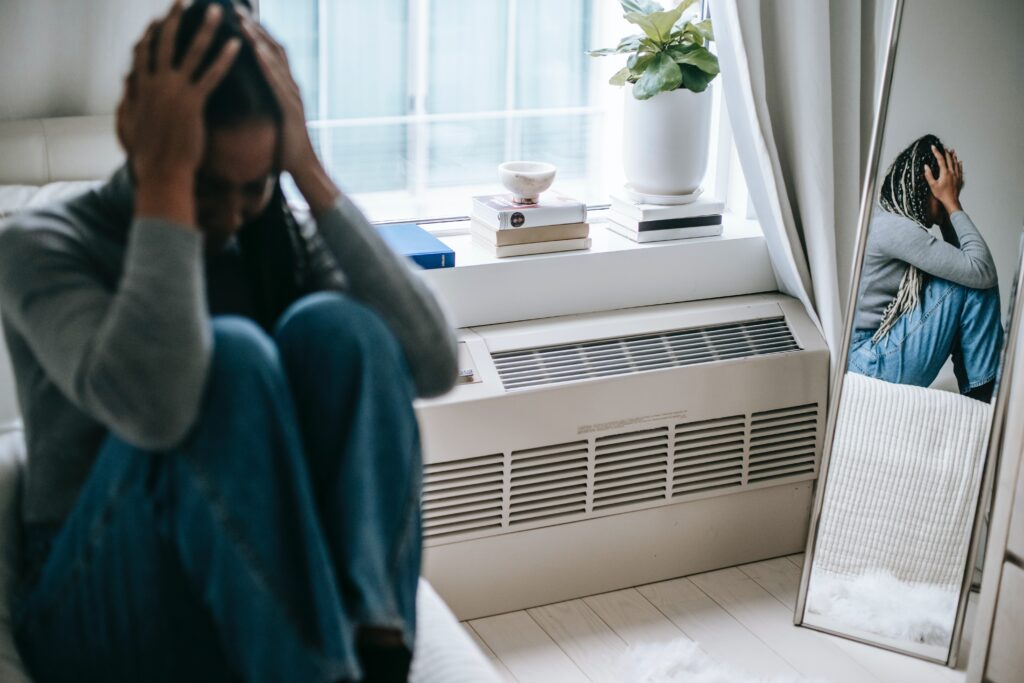
Your teen was happy today, so you may think they can’t be depressed.
People with depression can still feel happiness sometimes; they can also pretend to be happy and excited. Comparing what you saw they felt versus what they’re telling you they felt is dangerous not only for their mental health, but can ruin your chance at your teen trusting you.
You may think depression is just another part of being a teenager, but it’s not.
Many people feel that depression is just a part of being a teenager. This isn’t true! While it’s normal for teens to have emotions that are all over the place, it’s not normal for everyone to go through depression – especially not at the same age or around the same time.
Teenagers aren’t alone in experiencing these feelings and they should know there are so many resources available to them like family, friends, and even professional help.
It’s typical for teenagers to be moody or irritable sometimes. There can be many things that can cause teenagers to have fast mood changes, including hormones and stress. Teenagers can still have depression or other mental illnesses aside from ‘normal’ teenage moodiness. Staying on top of the symptoms your teen is experiencing, as well as actually listening to the words that are coming out of their mouth, will help tremendously.
Teen depression and adult depression do not look the same.
Teenagers with depression may have different feelings and moods than other teenagers. They might feel like they don’t deserve anything good to happen in their life, or that nothing will ever get better. This is not the same as just being sad from a breakup for instance, which can change over time. This feeling of hopelessness is more than just feeling blue once in a while or over a specific situation (like not getting invited to prom).
Teenagers and adults have so many differences mentally and physically that their depression cannot look the same. Undermining a teenager’s mental illnesses because you think that they are different from adult signs isn’t going to work out for anyone. If you are concerned about depression in your teenager seek qualified help as often specialist services will be needed.
Finally if you are a parent of a teenager with depression please do know that things can get better.
