
In an increasingly global world, the UK seems to be falling behind. The results of a European survey show that 62% of Brits can only speak one language, while 56% of respondents from the European Union can speak at least two; the British were found to be the worst language learners in Europe. But how can we turn this around, and instil habits into our youngsters that may help them later in life? Here are five ways to introduce your children to the idea of learning a language:
Go Abroad
The single best way to immerse your children in a foreign language is to take them abroad, and experience it first-hand. Pay attention to the languages your children seem to be particularly interested in, and try to book holidays which will put you in close proximity with that language. Try not to rely too heavily on English, instead using phrasebooks to acclimate your children to common language. More popular languages such as French and Spanish are used across the world, giving you the opportunity to teach diversity in culture and language at the same time.
Watch Foreign-Language Films
Of course, not everybody can afford regular trips to countries in line with their children’s language interests; if they are interested in Japanese, for example, it might not be economical to visit regularly. An excellent alternative is to bring that language into your home instead. Trying watching films in foreign languages, with the original audio and a subtitle track. Children’s brains are more ‘plastic’ at younger ages, allowing them to draw connections between the original language and the English translations very quickly. Buying the blu-rays of films you’ve been watching with your children can be a good way to consolidate that learning, by re-watching and phasing out the English subtitles.
Introduce Languages to Bedtime Stories
Foreign languages can also follow your children to bed! Try reading short stories and nursery rhymes they are already familiar with, but in the language of their choice. This way they can draw connections between ideas they’re familiar with and how they translate. Some popular stories have origins in other languages to begin with; Antoine de Saint-Exupery’s world-famous ‘The Little Prince’ was originally written in French – presenting a brilliant opportunity to experience a story as it was originally meant to be read.
Share a Language Class
Your children might be nervous to engage in the practice of learning a language alone. There are many ways in which you can facilitate the picking-up of a language as a family activity, but perhaps the most constructive way is to visit local language classes together. Your children will feel comfortable and focused learning alongside you, and you’ll be able to track their progress more keenly.
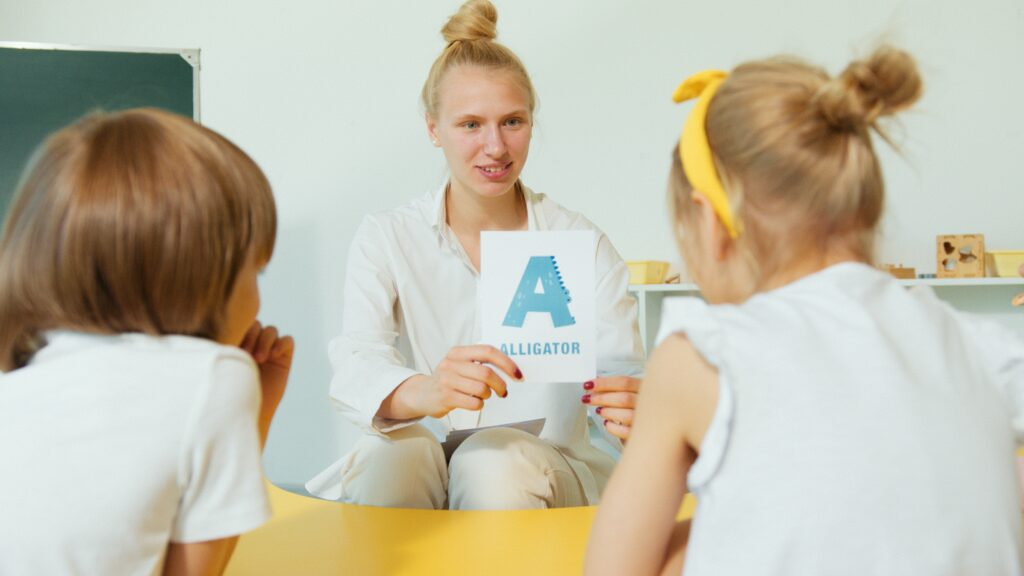
Find a Personal Tutor for Your Children
For active results with regard to your children learning a language, you can’t do much better than to hire a private tutor. More often than not they’ll offer one-on-one sessions for your kids, meaning hands-on learning and more attention given to any parts they may find themselves struggling with.
