
Losing weight is generally achieved through a combination of diet and exercise and going it alone can often feel like a daunting and lonely task. That’s not to say it can’t be achieved, but like so many things in life, sticking to a diet or an exercise regime is easier and more fun if done with a partner or one or more friends.
If you set out on the path of weight loss together then you will have someone to talk to who knows exactly what you’re going through. A challenge shared is a challenge halved, and mutual support can make all the difference to achieving your goals. There can be pitfalls however, and it’s worth being clear in advance about how to avoid these if you want your program to be successful and keep your relationship or friendship intact.
Set goals together
The first thing is to sit down together and talk about why each of you is doing this. Your reasons may be similar or they may be quite different — it doesn’t matter. What does matter is recognising the other’s motivations and what they want to achieve.
Get together and work out realistic goals that you agree on. It’s okay to have individual goals that you want to achieve as well. Share these but be clear that this is a personal target which you don’t expect anyone else to be aiming for. In both cases, you may be aiming to lose a certain amount of weight, or to tone up your muscles, or simply to have more energy.
Keep motivated
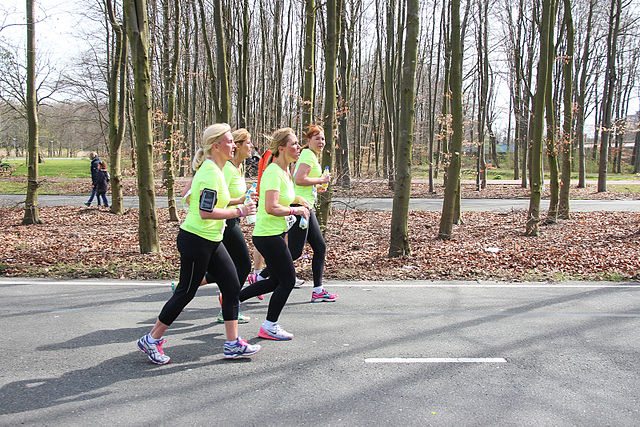
It’s sometimes hard to keep your spirits up and stay on course, especially with a rigorous diet designed for serious weight loss. Having someone else there who knows what you’re going through can make all the difference in terms of motivation and moral support. This is something that is central to the ethos of the 1:1 diet, which combines specially formulated, low-calorie foods with individual mentoring and guidance.
Support not competition
When dieting and exercising together, remember that you’re on the same team. Encouragement is essential, but no one should take on the role of being the “food police”. Nagging and bullying are the surest way to break up your partnership. Don’t guilt trip the other party if they backslide but let them know you’re there for them if they’re struggling. Remember that weight, body image and self-esteem are sensitive subjects, especially when you’re tired and hungry!
Recognise your differences
Everyone is different, physically, mentally and emotionally. Those differences are even more pronounced between men and women. Recognise and accept that not everyone is going to lose weight at the same rate, and that some people will find certain things more difficult than others do.
It’s a scientific fact that it’s easier for men to lose weight, at least at first. Due to the fact that they have faster metabolisms, they can eat more without putting on weight, and can cut back more easily. It’s also easier for them to burn off calories through exercise, whereas women naturally crave food after exercising. This is because their bodies are designed to retain more fat for childbearing. However, the good news is that this should even out after about six weeks of diet and exercise.
Be considerate of each other’s weak spots
We all have emotional attachments around food. Sometimes it reminds us of childhood memories, both good and bad. Some people have favourite comfort foods that they turn to like a support blanket, while others have cravings in other directions. Recognise that there are areas where some people will fall down, even if others can’t understand why. Don’t be afraid to say that after a bad day of work you really feel like binging on a tub of ice cream. A supportive friend coming round may be all you need to stop you sinking into this bad habit.
Make it fun
Above all, dieting and exercising together can be fun! Get together with friends to create meal plans for the week ahead. Make dates to go to the gym, swimming or for country walks. Find social activities that don’t revolve around food or alcohol. Take time to enjoy the simple things in life.
If you don’t have someone to diet with, joining a weight loss group can be a great way to make friends that understand what you’re going through. The main thing is to be supportive without being judgemental, and to remember that everyone’s achievements are worth celebrating, however big or small.
